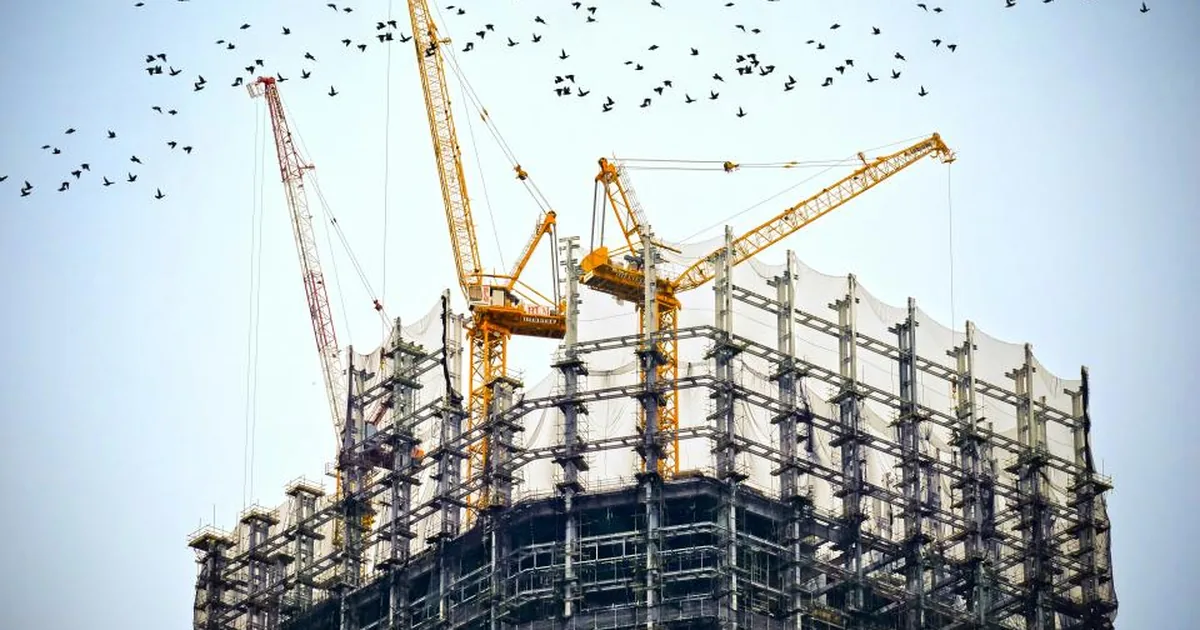
Selling a residential project in Iskele is not the same job as showing a finished building on site. The area is the island's fastest growing construction and investment corridor, and a large share of buyers are abroad. That produces three consequences: the decision runs long, it runs in several languages, and it happens almost entirely on a screen.
A large decision made at a distance forgives no detail left vague. The buyer is not beside you; instead of asking the question on their mind, they close the tab. The job of your material is therefore not to inform but to answer the question before it forms.
1. Making something that does not exist yet look credible
Where there is no photograph, visualisation is not decoration — it is the only tool. Three-dimensional imagery and motion let the buyer build the space in their head. What matters here is consistency more than spectacle: the floor plan they saw in the render has to match the square metres in the contract. An exaggerated render wins attention early and loses trust at handover.
The second thing to place beside the visualisation is scale: as much as the inside of the apartment, where the project sits in its surroundings needs explaining. A distant buyer does not know the street.
2. Delivery schedule and payment plan: a layout that leaves nothing vague
These are the two headings that worry a remote buyer most. If a catalogue or landing page does not show both as a clear table, the buyer has to ask by email — and most do not ask.
The layout that works in practice: a stage-by-stage delivery schedule, the payment percentage matching each stage, and what the dates depend on. "Delivery 2027" is not enough; when each stage has a date, the buyer can fit the process into their own calendar.
3. Letting the buyer read in their own language
How many languages you publish in is set by your buyer profile. English is compulsory on most projects; beyond that it depends on the target market. But the real issue is not the number of languages: equal depth across languages matters more than translation quality. If the Turkish page has the delivery plan and the English one does not, the project looks incomplete to whoever reads in that language.
Building this from the start is both cheaper and healthier for search engines than adding it later. On the web side, a language layer bolted on afterwards usually breaks the URL structure and redirects.
Print has not gone away
Even in remote selling, physical material is in play: a roll-up and project catalogue for visitors to the sales office, signage for the site and the sales point. These need to speak the same visual language as the screen — the buyer sees both side by side, and any inconsistency they notice comes back as a cost in trust.
The sales office and the site do different jobs
Material prepared for a remote buyer and material prepared for a visitor to the sales office do different work. The site and digital presentation operate before conviction: the buyer looks there for answers to questions they are still hesitant to ask. Material in the sales office comes after: a document the decided buyer carries away and shows a partner or family.
Projects that ignore this distinction typically turn the site copy into a catalogue verbatim. But in print the buyer turns pages rather than scrolling; the order and density of information should change accordingly.
The common mistake in multilingual work
Keeping existing languages at equal depth does more work than adding another language. In a bilingual project the most frequent situation is this: a price or delivery date updated on the Turkish side stays stale on the English one. The inconsistency a buyer finds when comparing the two costs more trust than missing information would.
The practical safeguard is to feed language-independent facts from a single source: fields like price, delivery date and payment plan coming from one place rather than being written twice.
In short
In Iskele, design's job is not to decorate but to close a distance. The buyer is purchasing something they cannot see; every document handed to them has to fill that gap. That is the common thread in our construction work: clarity first, aesthetics second.
You can find how we work in the region, the sectors we serve there and the questions clients ask most on the Iskele page.