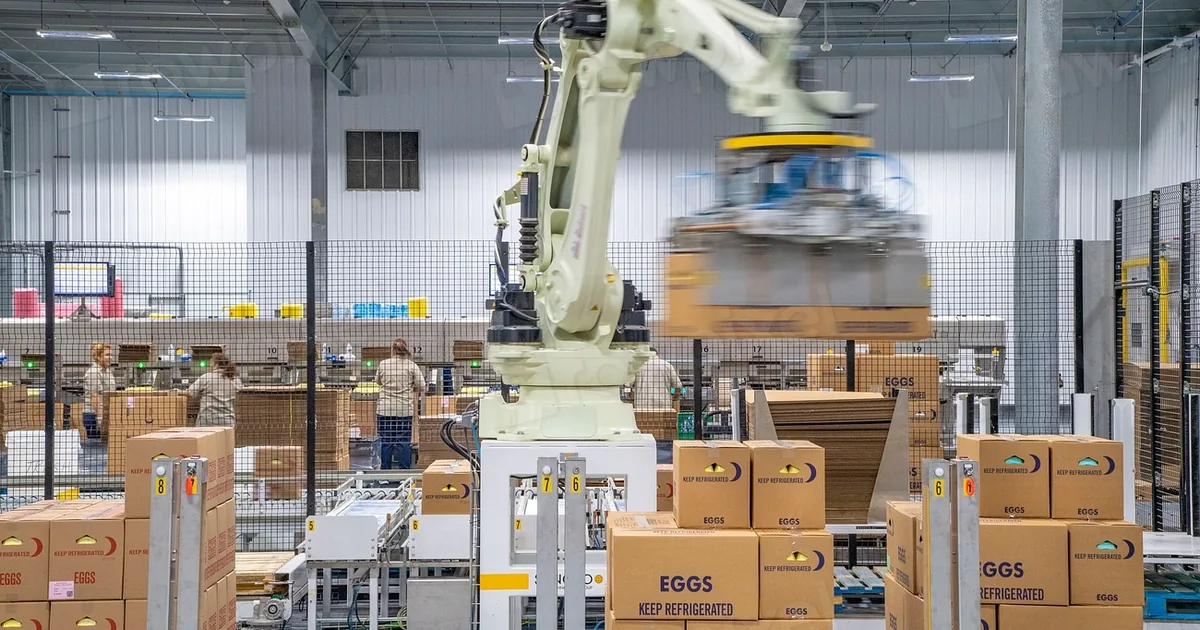
Guzelyurt's economy turns around agriculture and citrus production. For digital communication that creates one decisive difference: the customer is usually not the end consumer. The person across from you is a wholesaler, importer or chain buyer — and they know you from the sample in their hand and the catalogue in front of them, not from an advert.
That difference changes where the budget goes. For a brand selling to retail the first investment goes to visibility; here it gathers on the print and packaging side. How the brand looks on the box does more work than how it looks on the page.
Labels and packaging are not the same thing
This is the distinction most often blurred. A label carries legal and technical information: contents, origin, batch number, barcode. Packaging carries the brand — what introduces you on the shelf or in the warehouse.
Designing both at the same time prevents work that comes back incompatible and has to be reprinted. Handled separately, the typical outcome is this: packaging goes to print, then the label's mandatory fields do not fit and the design gets squeezed out of shape.
The catalogue: the second document beside the sample
When a B2B buyer picks up the sample, they look for a catalogue next to it. That catalogue's job is not to inspire but to offer comparable information: product code, packaging dimensions, units per case, pallet data, certificates.
Good photography is half the job; the other half is that the numbers a buyer needs when preparing a quote are all there. If one item is missing, the buyer has to email you and the process stretches.
So is a website unnecessary?
No — but its function is different. The site may not make the sale, it makes the verification. A buyer abroad checks the company's reality and its documents online before asking for a sample.
So the site here is not a shop window but a reference point: somewhere product information, certificates and contact details are held in verifiable form. Being plain is not a problem; being incomplete is.
Documents: the second thing a buyer looks for
Once a B2B buyer likes the product, the next step is paperwork: analysis reports, certificates of origin, food safety certifications. Where these live is vague at most firms — sent one by one, by email, on request.
Holding them in one place, current and downloadable, makes a serious difference to the buyer's speed. That is exactly the job the site does here: not selling, verifying.
The colour on your screen may not survive the box
The most common surprise in packaging and label work is a colour shift. A screen emits light; paper and board reflect it. The same design also prints differently on coated stock and on kraft board.
The way to manage this from the start is to take a press proof for critical colours and to fix the print equivalent of the brand colour once, then use that same value on every job. This is the detail most often lost when design and print are run separately.
A suggested order
If you are working with a limited budget, this order makes sense: label and packaging designed together first, then the catalogue, the site last. Projects that run the other way round usually rush the packaging — and that is the first thing the buyer sees.
Running graphic design and print from the same file also makes a difference to whether colours match on screen and on paper.
You can find how we work in the region and the questions clients ask most on the Guzelyurt page.