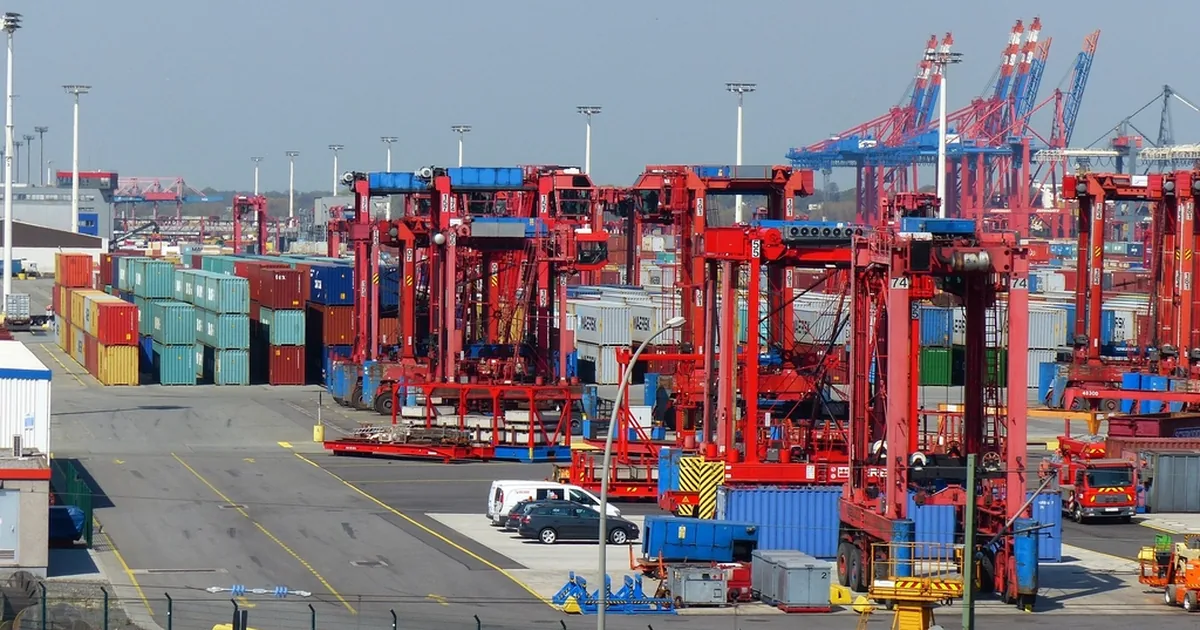
The backbone of Izmir's economy is the port. The Aegean's agricultural output is gathered, packaged and shipped to the world in containers from here. Olive oil, wine, dried figs and raisins now leave branded rather than in bulk.
That single sentence has a large consequence for design: design sits at the start of production, not the end. What the label will carry has to be settled before the product is packed.
A label is an obligation, not a layer
In export, a label is not a cosmetic layer but a compliance matter. Destination language, mandatory content information, allergen warnings and barcode standards all differ.
In practice that means the box going to Germany and the box going to the Gulf cannot be identical. A single label design rarely satisfies every market.
Working on this line, our priority is not the visual but carrying the right mandatory field in the right language, completely. Visual preference comes after that.
One design, many markets: the method that works
Designing from scratch for every market is both expensive and unmanageable. The approach that works is a shared brand core and a variable information area.
The brand side (logo, colour, typography, visual language) stays fixed; the mandatory information area is designed as a block that changes by market. When you open a new country, you update that block rather than redesigning.
This arrangement also lowers the risk of error: because the variable field sits in one place, it becomes harder for one market's warning to be left on another market's box by mistake.
The catalogue: the document buyers quote from
In export a catalogue is not a promotional brochure but a working document. The buyer prepares a quote from it: product code, packaging dimensions, units per case, pallet layout, shelf life and certificates.
Photography matters, of course, but a missing technical line forces the buyer into email and stretches the process.
Print lead time is planned backwards
Working against export and fair calendars, the most common mistake is treating print as the last step. Yet on labels and packaging, production can take longer than design: proofing, corrections, die preparation and the print run each want their own time.
The method that works is planning backwards from the target date: once the shipment or fair date is fixed, the time needed for printing, proofing and design approval is added in reverse to find the start date. Without that arithmetic the design is ready while the product waits unlabelled.
The fair calendar is a separate layer
Izmir also has a trade fair side. Organisations like the Izmir International Fair put a participating brand into a showcase where it makes face-to-face contact once a year.
What decides the outcome here is timing as much as design quality: the stand, corporate brochure, roll-up and promotional material have to be ready against the fair calendar. When print lead time is not planned backwards, good design does not make the fair.
The seasonal swing brought by coastal tourism is a further layer on top of the export and fair calendars.
Working remotely
We have no physical office in Izmir; the studio is in Nicosia. Design, label and catalogue preparation run through video calls and shared files. On the print side what decides the outcome is not proximity but getting production and delivery planning right.
You can find how we work in the region and the questions clients ask most on the Izmir page.